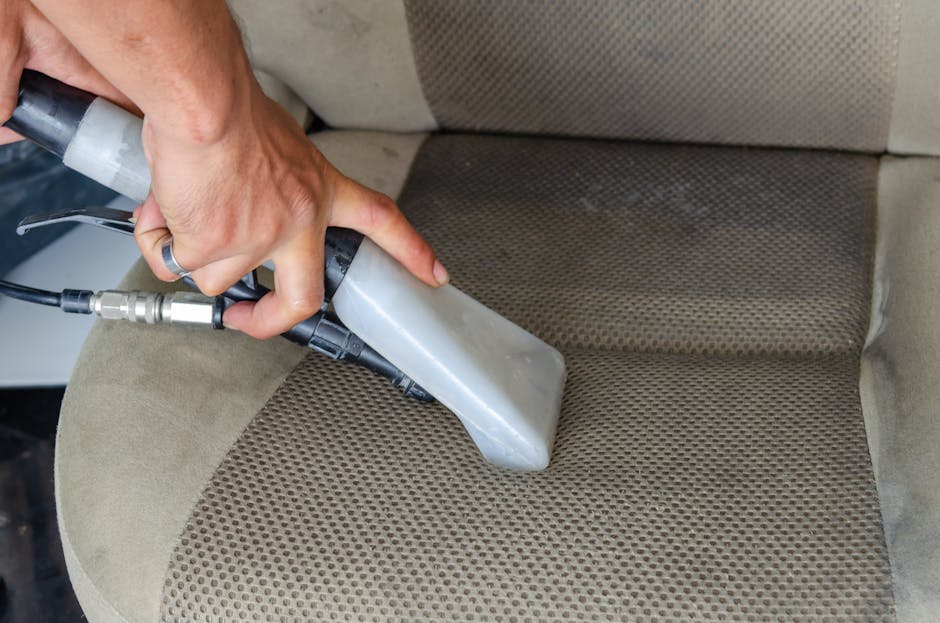
Park Hill estate upholstery cleaning advice for Croydon flats
If you live in a flat on Park Hill estate, upholstery can pick up a surprising amount of daily wear: dust from open windows, cooking smells that drift in, mud on a rainy school run, and the odd tea spill that seems harmless until it dries in. Park Hill estate upholstery cleaning advice for Croydon flats is really about making smart choices for compact homes, shared access, and fabrics that need a careful touch. The goal is simple enough - keep sofas, chairs, and dining seating looking good without creating damp, damage, or a bigger mess than you started with.
This guide walks through what works in real flats, what to avoid, when DIY is fine, and when professional help is the safer bet. You will also find a practical checklist, a method comparison table, and a few local-useful pointers so you can clean with confidence rather than guesswork.
Why Park Hill estate upholstery cleaning advice for Croydon flats Matters
Flats on Park Hill estate often have a different cleaning rhythm from larger houses. Space is tighter, air circulation can be limited, and furniture usually does more work per square metre. A sofa is not just a sofa in a one-bedroom flat; it is the place you sit, eat, work, and sometimes even dry laundry next to. That means spills and body oils build up faster than people expect. Let's face it, a three-seater in a small living room can take a beating by Tuesday afternoon.
Good upholstery care matters because fabric and filling hold onto grime in a way that looks invisible at first. Then one day you notice the arm looks darker, the seat cushion has a faint odour, or a patch that was once plain beige has turned vaguely grey. In a shared building, that can also affect how a flat feels to live in. Fresh upholstery makes the whole room feel cleaner, and in a compact Croydon flat, that changes the mood of the place quite a lot.
There is also a practical side. Many upholstery issues become expensive when left too long. Dry stains can set, smells can sink into foam, and repeated over-wetting can damage internal padding. If you are preparing for guests, a tenancy inspection, or just want a nicer home, timely cleaning is often cheaper and easier than replacement. Truth be told, replacing a decent sofa because of avoidable staining is a painful way to learn the lesson.
If you are also thinking about wider home cleaning routines, it can help to pair upholstery care with other services like deep cleaning, sofa cleaning, or a broader domestic cleaning visit, depending on how much of the flat needs attention.
How Park Hill estate upholstery cleaning advice for Croydon flats Works
At its core, upholstery cleaning is a controlled process of lifting dirt from fabric without flooding the material. That sounds simple, but the detail matters. Different fabrics react differently to moisture, friction, heat, and cleaning agents. Microfibre, cotton blends, velvet, linen mixes, and synthetic fabrics all need slightly different handling. The same approach that brightens one chair can ruin another, which is why careful identification comes first.
In a flat, the process usually starts with dry soil removal. That means vacuuming creases, cushions, seams, and the undersides of loose cushions. Dust, crumbs, pet hair, and grit are removed before any liquid is introduced. If you skip this step, you can end up turning dry dirt into mud. Not ideal.
From there, a suitable pre-treatment is applied to spots or heavily used areas. This may be a gentle upholstery-safe solution, but always test first in a hidden place. After that, the chosen cleaning method depends on the textile and how much drying space you have. In a Park Hill estate flat, fast drying is a real consideration. A wet sofa in a small living room can raise humidity, slow drying, and leave a stale smell if you rush the process.
Professional upholstery cleaning often uses specialist extraction or low-moisture techniques. In plain English, that means less liquid left behind and better control over drying. For residents who want a one-off refresh rather than a routine contract, a one-off cleaning visit can be a sensible way to handle built-up grime without overcommitting.
Key Benefits and Practical Advantages
There are a few very obvious benefits, and a few that people only notice after the job is done. The obvious ones are cleaner-looking furniture, fresher smell, and removal of surface dirt. The subtler wins are often more valuable in a flat.
- Better air feel in the room: upholstery can hold dust and odour, so cleaning it helps a flat feel less stuffy.
- Longer furniture life: removing grit reduces fibre wear and keeps cushions from looking tired too early.
- Improved stain control: fresh marks are much easier to treat than older, heat-set ones.
- More comfortable living space: clean seating just feels better, especially in smaller homes where the sofa does everything.
- Better presentation: useful if you rent, host visitors, or are getting ready for an end-of-tenancy inspection.
There is also a mental benefit, to be fair. When the sofa looks clean, the whole flat often feels more settled. It is one of those small home improvements that quietly improves daily life without needing a full refurbishment. A cleaner armchair can make an old room feel oddly new again.
If upholstery is part of a wider refresh, some residents choose to combine it with carpet cleaning, rug cleaning, or window cleaning to make the flat feel properly reset rather than just partially improved.
Who This Is For and When It Makes Sense
This kind of advice is useful for a few different people. If you are a tenant in Park Hill estate, you may want to protect your deposit and keep the flat presentable. If you are an owner-occupier, you may simply want your living room to feel brighter and more hygienic. And if you rent out the flat, upholstery care can help maintain a better standard between tenancies without replacing furniture too often.
It also makes sense if you have one of these situations:
- food or drink stains on a sofa or armchair
- pet hair and pet odours building up over time
- furniture that looks dull but is not actually damaged
- smoke or cooking smells settling into soft furnishings
- pre-move cleaning before a tenancy handover
- post-renovation dust after other work in the flat
If your flat has just had builders in and there is a fine layer of dust on fabric, this can be especially useful after an after builders cleaning job. Dust from sanding or drilling settles everywhere, and upholstery is often where it hides best.
One small but real point: if your sofa is old, fragile, or made from a mystery fabric nobody can identify, it may still be worth a professional assessment rather than a hopeful blast with shop-bought spray. Hope is not a cleaning method. Funny, but true.
Step-by-Step Guidance
Here is a practical process that works well in most Croydon flats, especially where space and drying time are limited.
- Check the care label. Look for symbols or cleaning instructions on the furniture tag. If you cannot find it, inspect the seams and underside before doing anything else.
- Vacuum thoroughly. Use the upholstery attachment and go slowly over seams, buttons, arms, and between seat cushions. This is the boring part. Still essential.
- Spot-test your cleaner. Apply a tiny amount in a hidden area and wait for colour transfer, texture change, or ring marks.
- Treat stains from the outside in. Blot gently rather than scrubbing. Rubbing can push the stain deeper and rough up the fabric.
- Use minimal moisture. In flats, it is usually better to clean lightly and repeat than to soak the fabric once.
- Work in sections. Clean one cushion or panel at a time so you can keep track of moisture and residue.
- Dry with airflow. Open windows where practical, switch on a fan, and keep cushions propped up so air can circulate.
- Check after drying. Once dry, inspect for watermarking, residue, or missed spots. Sometimes a second light pass is needed.
If you are booking help rather than tackling it yourself, it is sensible to ask how much moisture the method leaves behind and how long the furniture is likely to take to dry. In flat living, that one question can save a lot of annoyance later.
Expert Tips for Better Results
Small decisions make a big difference with upholstery. You do not need fancy tricks, just a steadier approach than many people use on a weekend afternoon.
- Start with the least aggressive method. A light clean often works better than a strong chemical attack. It also reduces risk.
- Use white cloths for blotting. Coloured cloths can bleed dye onto pale fabric. Annoying and completely avoidable.
- Lift cushions to dry separately. Cushion faces dry faster when not stacked on the sofa.
- Keep salt, perfume, and kitchen sprays away from fabric. These can leave residue or attract dirt later.
- Pay attention to arms and headrests. They often look clean at a glance but carry the most body oils.
- Do not rush drying with too much heat. Hairdryers and heaters can set marks or distort delicate fibres.
A useful habit in smaller flats is to vacuum upholstery every week or two, even if it looks clean. That stops soil settling too deeply. You may notice the difference after just a month or so. It is not dramatic on day one, but over time the furniture stays brighter and less crushed.
If you are unsure what products are safe, stick to upholstery-specific cleaners and read the label carefully. If the product is designed for everything, it is often best for nothing. Slightly cheeky, but there you go.
Common Mistakes to Avoid
The most common mistakes are also the most frustrating because they are so easy to prevent.
- Scrubbing stains aggressively. This often spreads the mark and damages the weave.
- Using too much water. Over-wetting can lead to mould risk, slow drying, and internal padding damage.
- Ignoring the fabric type. Velvet, wool blends, and delicate synthetics do not all respond the same way.
- Cleaning only the stain. This can leave tide marks or a patchy finish. Blend the cleaned area into the surrounding fabric if appropriate.
- Forgetting hidden areas. Dust collects in seams, under cushions, and along the back edge where the fabric meets the frame.
- Using random household chemicals. Bleach, strong degreasers, and all-purpose sprays can cause discolouration or stiffness.
One especially common issue in flats is trying to clean late at night, then leaving the sofa damp until morning because nobody wants the windows open while sleeping. That sounds harmless, but stale moisture can create an unpleasant smell by sunrise. Better to start early and give the room proper airflow. Your nose will thank you.
Tools, Resources and Recommendations
You do not need a van full of kit for a decent result. In many cases, a simple and careful setup is enough. Here is a practical shortlist.
| Tool or item | Best use | Why it helps in a flat |
|---|---|---|
| Upholstery vacuum attachment | Dust, crumbs, hair, loose debris | Reaches seams and creases without stressing the fabric |
| White microfibre cloths | Blotting and gentle wiping | Reduces dye transfer risk and helps control moisture |
| Upholstery-safe cleaner | Spot treatment and light cleaning | Less likely to damage delicate fibres than general sprays |
| Soft brush | Loosening surface dirt | Useful for textured fabric, but only with light pressure |
| Portable fan | Drying support | Helps air movement when a flat has limited ventilation |
| Protective gloves | Handling detergents | Keeps skin comfortable during longer cleaning sessions |
When choosing professional help, look for a company that explains its method clearly, offers sensible advice on fabric suitability, and is comfortable discussing drying times and aftercare. A transparent pricing and quotes page is also helpful because it sets expectations before anyone starts moving cushions around the room.
Trust matters too. If you are inviting people into your home, it is fair to check safety and insurance information. Pages such as insurance and safety and health and safety policy give a clearer picture of how a provider works behind the scenes.
Law, Compliance, Standards, or Best Practice
For upholstery cleaning in flats, the main compliance concern is not usually a single law about sofas. It is more about ordinary home safety, product use, and responsible service delivery. If cleaning chemicals are being used, they should be handled in a way that avoids harm to people, pets, and surfaces. That includes reading label instructions, ventilating rooms where possible, and not mixing products.
In a building setting, it is also wise to think about access and shared areas. Moving equipment through common hallways should be done carefully and without blocking others. Spills should be contained immediately. That is basic good practice, but in a block of flats it matters more because a small mistake can affect neighbours too.
Industry best practice usually includes:
- identifying the fabric before choosing a method
- spot-testing in an unseen area
- using the least invasive cleaning process that gives a good result
- avoiding residue that can attract dirt later
- giving honest drying guidance rather than optimistic guesses
If you are using a service company, terms, payment security, and complaints handling also matter. That is not just paperwork. It shapes what happens if a problem occurs. Useful pages to review include payment and security, terms and conditions, and complaints procedure. A sensible customer always checks these things, even if it feels a bit dull at first.
Options, Methods, and Comparison Table
There is no single best method for every flat. The right choice depends on fabric, stain type, drying space, and how urgent the job is. Here is a straightforward comparison.
| Method | Best for | Pros | Watch-outs |
|---|---|---|---|
| Vacuuming and spot cleaning | Light dirt and small fresh marks | Low cost, quick, minimal drying | Not enough for deep soil or odour |
| Foam or low-moisture cleaning | General refresh on suitable fabrics | Good balance of cleaning and drying speed | Needs correct product choice and even application |
| Hot-water extraction | Heavier soil on robust upholstery | Can remove deeper dirt effectively | May leave more moisture behind, so drying matters |
| Professional specialist treatment | Delicate, valuable, or badly stained fabric | More controlled and fabric-aware | Usually costs more, though often worth it |
For many Park Hill estate flats, low-moisture or carefully controlled professional treatment is the sweet spot. It reduces the risk of lingering damp, which is a real concern when rooms are small and air movement is modest. Hot-water extraction can still be excellent, but only if the fabric can handle it and drying is properly planned.
Case Study or Real-World Example
A typical example: a two-bedroom flat with a pale fabric corner sofa, a dining chair set, and a stubborn tea ring on one armrest. The sofa looked generally fine from across the room, but up close it had a darker band along the seat fronts and a slightly stale smell from weeks of everyday use. Nothing dramatic. Just enough to bother the homeowner every evening.
The process started with a careful vacuum, especially the seams and the gap between seat and back cushions. A hidden fabric patch was tested first. That mattered, because one armrest had a different texture from the rest of the sofa - not obvious until you look closely. The stain was then treated with a light upholstery solution and blotted in stages rather than scrubbed. A fan was used to move air through the room, and the cushions were rotated once during drying.
By the next day, the sofa looked brighter, the tea mark had faded to the point of being unnoticeable, and the room smelled fresher. The best part was not dramatic at all. It was that the flat felt easier to live in. That is often the real result people want. Not showroom perfection. Just comfortable and clean.
In similar situations, a combined service can be useful if other surfaces are due too, such as house cleaning for the wider flat or home cleaners when the job is part of a bigger reset before guests arrive or a tenancy changeover.
Practical Checklist
Use this before you start. It saves time and, frankly, it saves furniture.
- Read the furniture care label first
- Test any cleaning solution in a hidden area
- Vacuum seams, cushions, and under the furniture
- Identify fresh stains before they set
- Choose the gentlest method likely to work
- Keep moisture under control
- Blot, do not scrub
- Open windows or use a fan for drying where practical
- Keep children and pets away until dry
- Inspect the result after everything has dried fully
Expert summary: For most Croydon flats, the safest upholstery-cleaning approach is careful vacuuming, cautious spot testing, low-moisture treatment, and proper drying. If the fabric is delicate or the staining is widespread, a professional visit is usually the smarter move.
And if you want a broader refresh rather than a single-piece clean, it can make sense to bundle upholstery work with a local cleaning company that also understands everyday flat cleaning needs. The right provider should explain what they can and cannot do, rather than promising magic. Good sign, that.
Get a free quote today and see how much you can save.
Conclusion
Park Hill estate upholstery cleaning advice for Croydon flats comes down to a mix of care, timing, and common sense. In a flat, there is less room for error than in a bigger house. Too much moisture lingers longer, smells travel faster, and furniture often gets heavier use. That is why gentle preparation, the right method, and proper drying matter so much.
If you keep up with vacuuming, treat stains early, and avoid overdoing the liquids, your sofas and chairs will stay presentable for much longer. And if the job looks bigger than a quick tidy-up, that is perfectly normal. Some fabrics need a more experienced hand. No shame in that at all.
The best outcome is a flat that feels fresh without feeling overworked. Clean upholstery does not shout for attention - it simply makes the room nicer to be in. That quiet improvement, day after day, is worth a lot.
Frequently Asked Questions
How often should upholstery be cleaned in a Croydon flat?
It depends on use, but most flats benefit from regular vacuuming and occasional deeper cleaning when the fabric starts to look dull, smell stale, or show visible marks. High-use sofas may need more frequent attention than occasional guest chairs.
Can I clean a sofa myself in a Park Hill estate flat?
Yes, if the fabric is suitable and the stain is small or fresh. Vacuum first, test any product in a hidden area, and keep moisture low. If the sofa is delicate, heavily stained, or expensive, a professional clean is usually safer.
What is the biggest risk when cleaning upholstery in a flat?
Over-wetting is the big one. In a small flat, damp upholstery dries slowly and can lead to odour, watermarking, or damage to the filling. That is why controlled moisture and good airflow matter so much.
How do I know if my sofa fabric is safe to wet clean?
Check the care label if you can find it. If the label is missing or unclear, test a hidden section and be cautious. Some materials need dry or low-moisture methods rather than heavy wet cleaning.
Will upholstery cleaning remove pet smells?
It can reduce many common odours, especially if the smell is from surface dirt or general use. Deeper pet odours that have reached the filling may need a more thorough treatment, and sometimes repeated cleaning is needed.
How long does upholstery take to dry?
Drying time varies by fabric, method, room ventilation, and how much moisture was used. In flats, proper airflow helps a lot. A careful low-moisture clean should dry faster than a more saturated extraction method.
Is steam cleaning always the best option?
No. Steam or hot-water extraction can work well on some fabrics, but it is not suitable for every material. The right method depends on the upholstery type, the stain, and how much moisture the fabric can tolerate.
What should I ask before booking upholstery cleaning?
Ask how they identify fabric types, what method they use, how much drying time to expect, and whether they are insured. It is also sensible to check pricing clarity and what happens if there is a complaint or issue after the clean.
Can upholstery cleaning help before a tenancy inspection?
Yes. Fresh sofas and chairs can make a flat look much better maintained. It is especially useful if the furniture is staying in the property and the rest of the space is already clean.
What if there are old stains that never seem to shift?
Old stains can be difficult because they may have set into the fibres or padding. A professional assessment is often the best next step, since different stain types need different approaches. Sometimes a mark can be improved even if it cannot be fully erased.
Do I need to clean other areas at the same time?
Not always, but many people choose to combine upholstery cleaning with carpet care or a broader room refresh. If the flat feels generally tired, pairing it with another service can make the whole place feel noticeably better.
Where can I find more information about the company's approach?
You can review pages such as about us, recycling and sustainability, and contact us for a clearer picture of how the business works and how to get in touch if you want to ask a question directly.